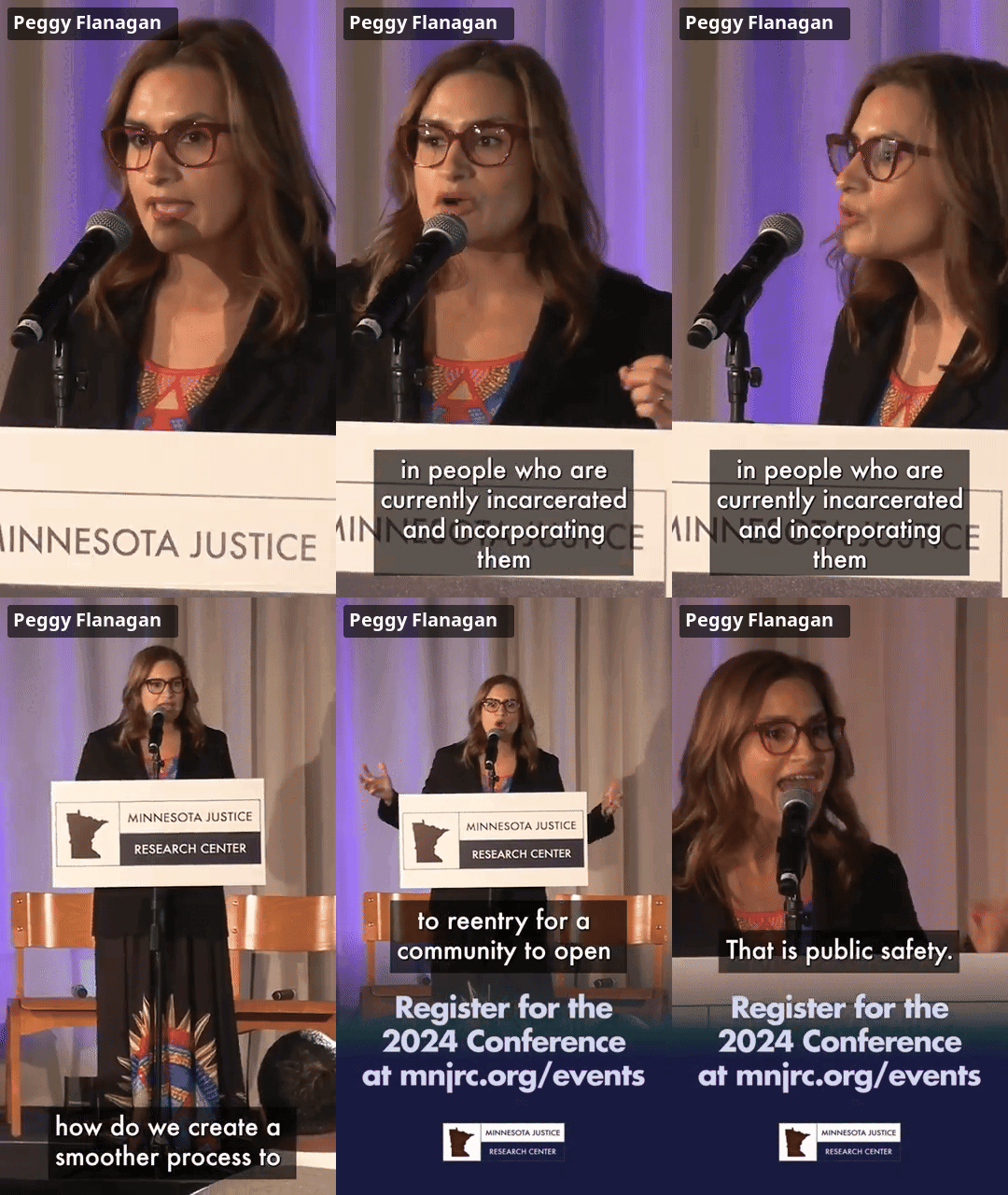
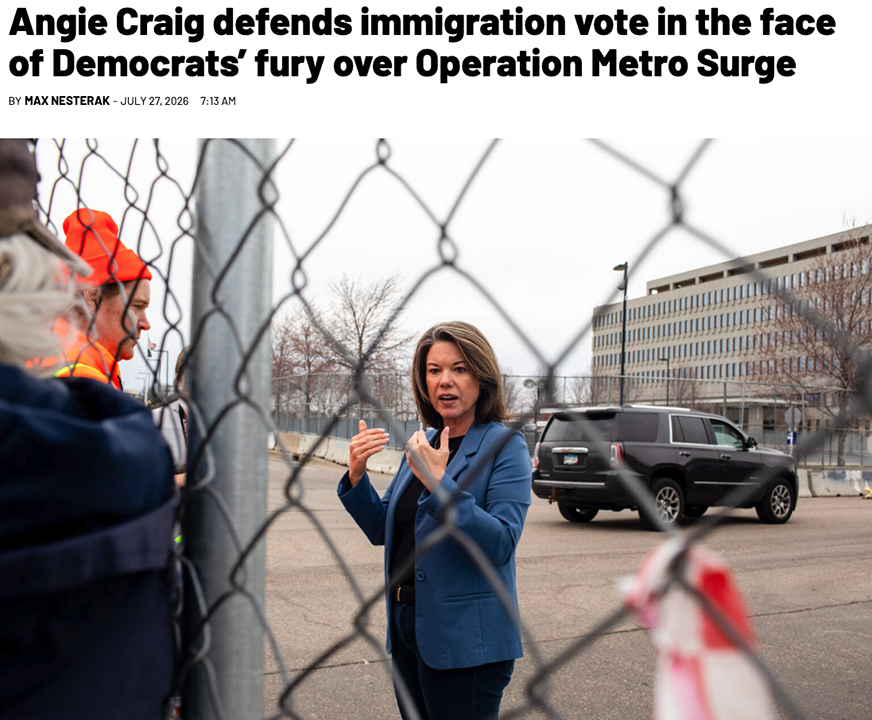
In a July 2026 Reuters/Ipsos poll, only 3 percent of registered voters said crime is the most important problem facing the United States today. Yet both Democrats and Republicans have raised crime’s salience during this primary cycle by using it as a wedge.
While crime may not be a top issue for voters, it is nonetheless an important one. Gallup polling in March found that concern about crime in 2026 declined for the third year in a row amid historically low crime rates. But still more than two-thirds of respondents (68 percent) said they were worried a great deal or a fair amount about crime. Even if crime is not top of mind like affordability or healthcare, it still greatly matters to voters.
Democrats, mired in infighting between the left and moderate wings of the party, are rehashing the “defund” debate with old tweets and statements by progressive candidates back in the spotlight. This debate is more about rhetoric and electability than policy: Bernie Sanders, Alexandra Ocasio Cortez, and Zohran Mamdani have all recently made clear that “defund the police” is no longer a position pushed by any flank of the party. But by remaining stuck in the outdated “defund” debate, Democrats are opening themselves to November attacks and missing an opportunity to instead highlight the new path forward on public safety that has effectively become the party’s consensus in governing (despite differences in campaign rhetoric). Republicans, unified under a “law-and-order” banner, have already begun holding press conferences in Texas touting “tough-on-crime” bona fides and running ads that paint Democrats as soft on crime in states like North Carolina, Ohio, Pennsylvania and Michigan.



In a debate between being “tough” and “soft” on crime, both parties (and many political pundits) are misunderstanding where the majority of voters are. When asked to choose between a traditional “tough-on-crime” approach and being “serious about safety,” Vera Action’s polling this cycle found that voters consistently choose a “serious” one. This trend held in national and state-specific polls, including the key battleground states of Michigan, North Carolina, and Wisconsin, as well as among independent and moderate voters.
Even if it isn’t exactly right, which of the following is closer to your view?
We should fully fund things that are proven to create safe communities—like good schools, jobs, and affordable housing—and help prevent crime by increasing treatment for mental health and drug addiction and by getting illegal guns off the street.
We should do more to get tough on crime—like having tougher sentences for people convicted of violent crimes, maintaining strong bail laws to keep dangerous people in jail, and providing police with more support and resources.
Sources: YouGov June 2026 national survey commissioned by Vera Action, GSG January 2026 survey of likely Wisconsin voters commissioned by Vera Action, YouGov April 2026 survey of registered North Carolina voters commissioned by Vera Action, July 2026 Lake Research Partners survey of likely Michigan voters commissioned by Vera Action
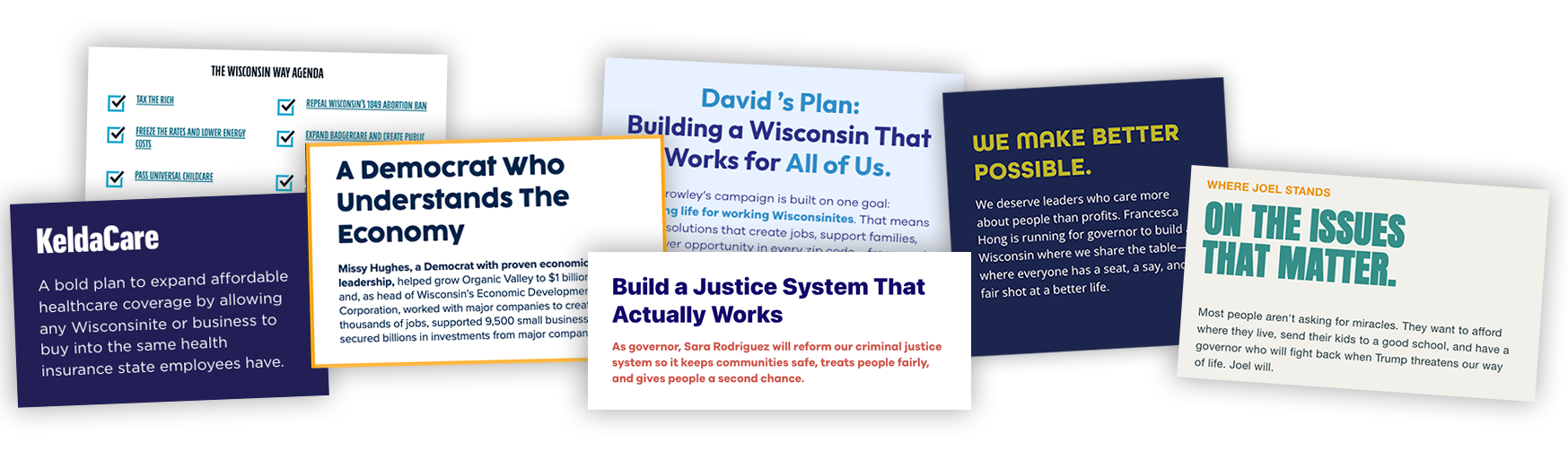
Candidates up and down the ballot—including for United States Senate, Congress, and governor’s offices—ran and won on strong “serious about safety” platforms that emphasized preventing crime before it happens, supporting effective and accountable policing, and investing in proven solutions that are already contributing to historic crime declines.
These polling results corroborate Vera Action’s previous rounds of public opinion research on voters and crime, including in the 2022 and 2024 cycles. With polling results wildly off in the 2026 Michigan, Minnesota, and Wisconsin primaries, Vera Action’s polling can be trusted because our Michigan poll, conducted by respected pollster Lake Research Partners in July 2026, had Abdul El-Sayed up by only two points against his opponent, Representative Haley Stevens, in the Democratic primary for U.S. Senate—a much closer prediction to the actual primary result. This same poll found that 61 percent of Michigan voters preferred a “serious-about-safety” approach over a “tough-on-crime” approach.
As the Republican Party loses its advantage on the economy and immigration, the crime scare tactics will only get louder in the general election. This is especially true in the small number of contested races that will decide which party controls Congress. If Democrats leave the “soft-on-crime” attacks unchecked, Republicans could overcome Democrats’ 6.7 point lead in the generic ballot average. Yet Democrats have a winning campaign strategy—should they choose to take it. Instead of staying on Republicans’ narrative turf and debating being “tough” or “soft” on crime, which has been a losing strategy in recent cycles, Democrats should heed the data, follow the voters, and adopt a “serious about safety” approach.
Vera Action compiled five takeaways to make meaning of how crime factored into this cycle’s primaries.